

☆*゚ ゜Fairycore and pixie dust゜゚*☆
An exploration of Disney's fairy dust of the 1940's-50s, Cubism, and the introduction of the airbrush to the visual world

I want to keep this week light and fun, so I’m exploring fairies and pixie dust in Disney animation in the 1940s-50s, and how a few simple art techniques have influenced fine art, design, and popular culture. And how we may subconsciously be tapping into a little pixie dust inspiration in our present-day. 。.。:+* ゚ ゜゚ *+:。.。:+* ゚ ゜
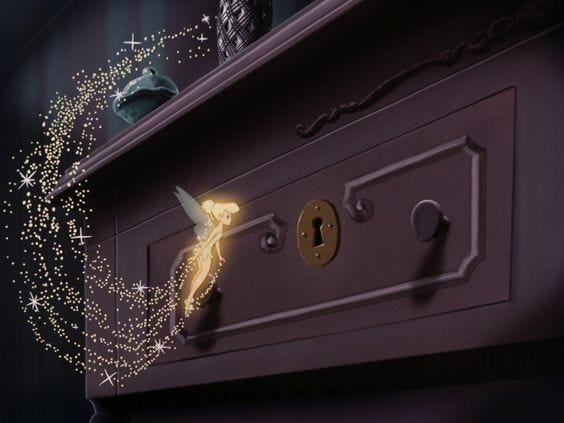
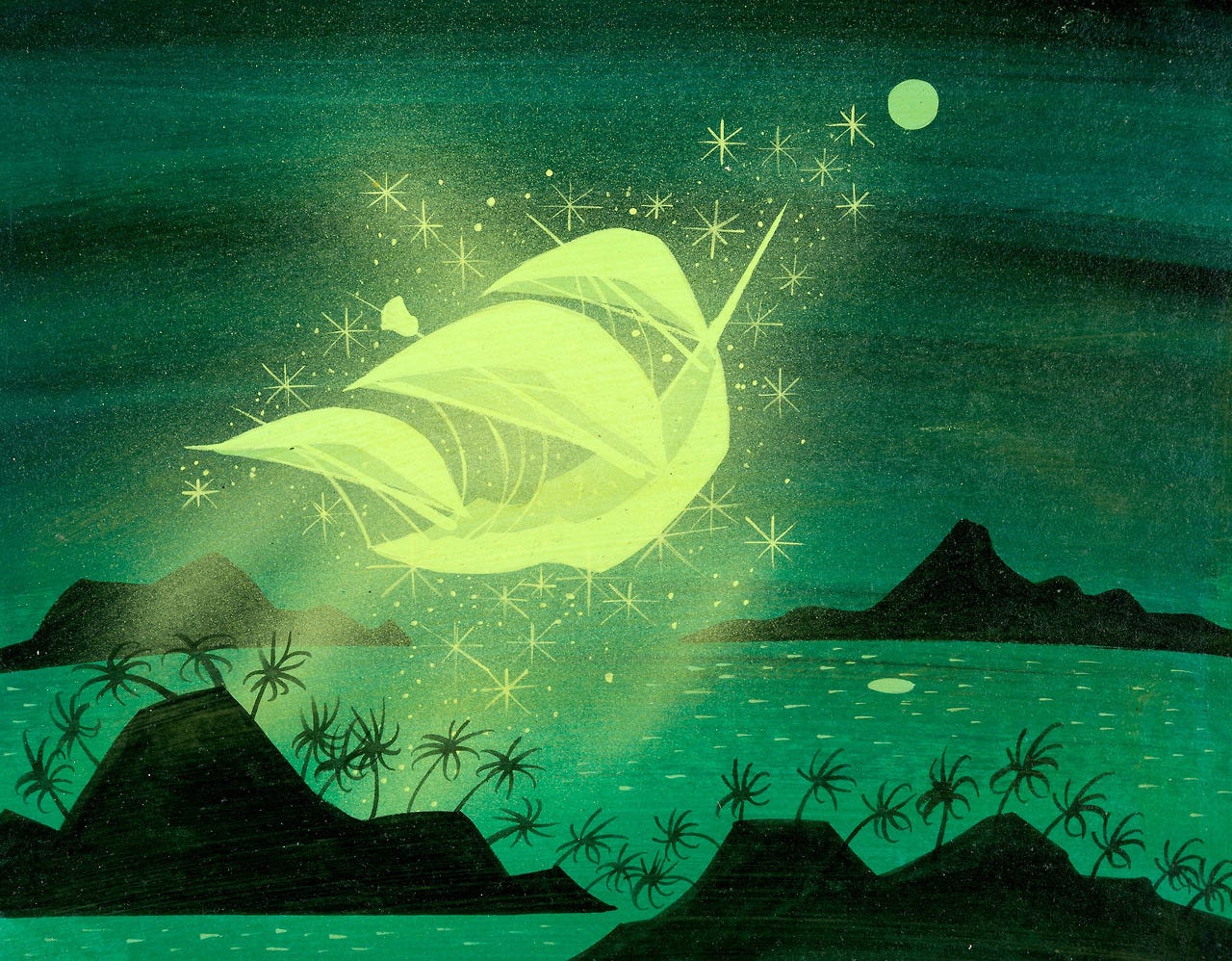
I love studying the first few decades of animation and filmmaking because every new idea and effect were developed from scratch and inspired by the materials and tools of that time. And as a graphic designer who has used Photoshop since I was 12, my inspiration deepens when I understand the roots of certain graphics and techniques.
I’ve shared about my love for Mary Blair, an artist Walt Disney hired to stylize Disney’s shorts and feature films in the 40s-50s, including Peter Pan and Cinderella. Walt Disney had a heart for bringing fine art into the world of animation, and having someone like Mary Blair was important to Disney. Another artist responsible for introducing fine art into animation was Eyvind Earle, who stylized Sleeping Beauty. Inspired by pre-Renaissance Northern European art, Gothic art, and medieval tapestries, Sleeping Beauty is unique— no other film looks like it. Every frame is quite literally a painting. And some of the most beautiful art, too. I get emotional at the thought filmmaking might not see this level craftsmanship again.
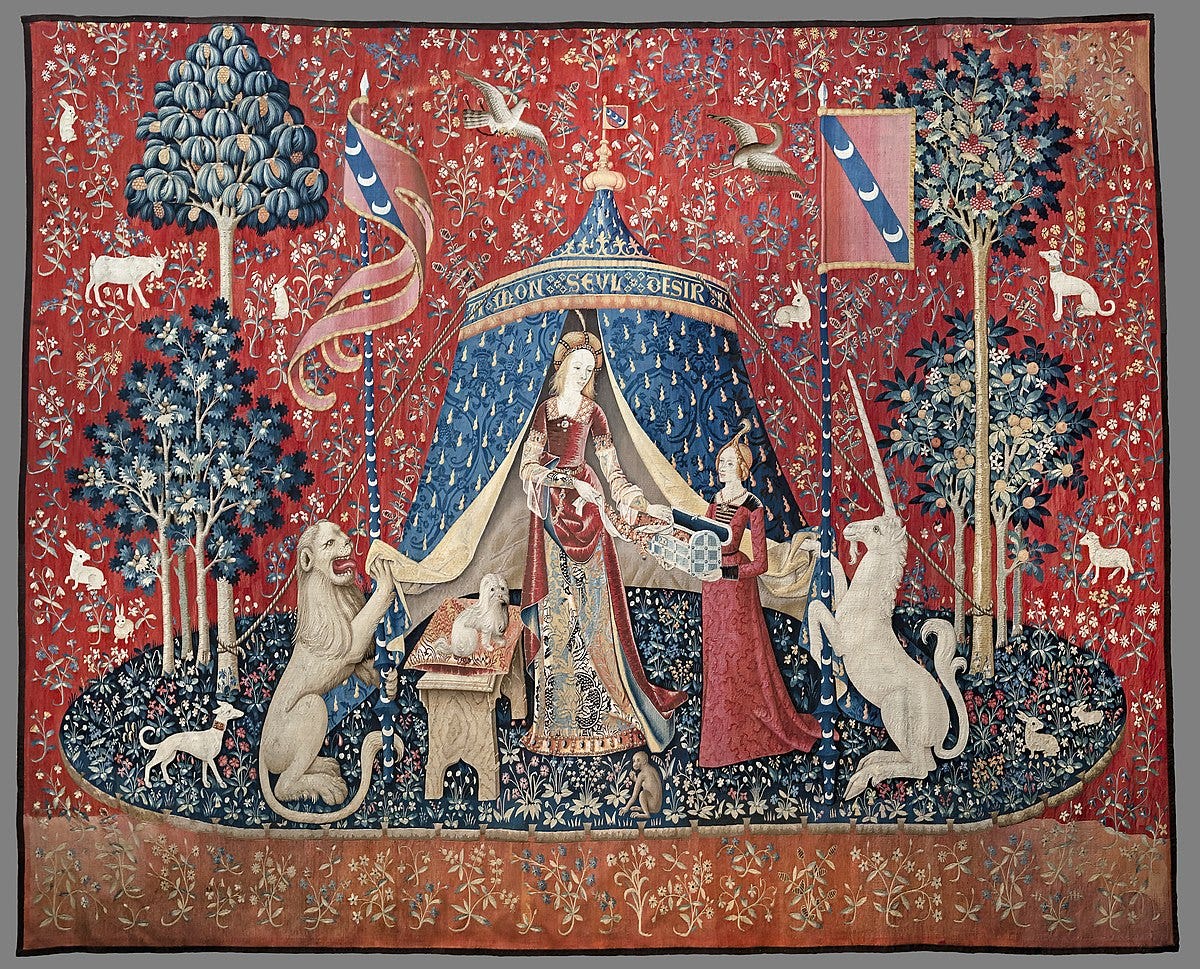
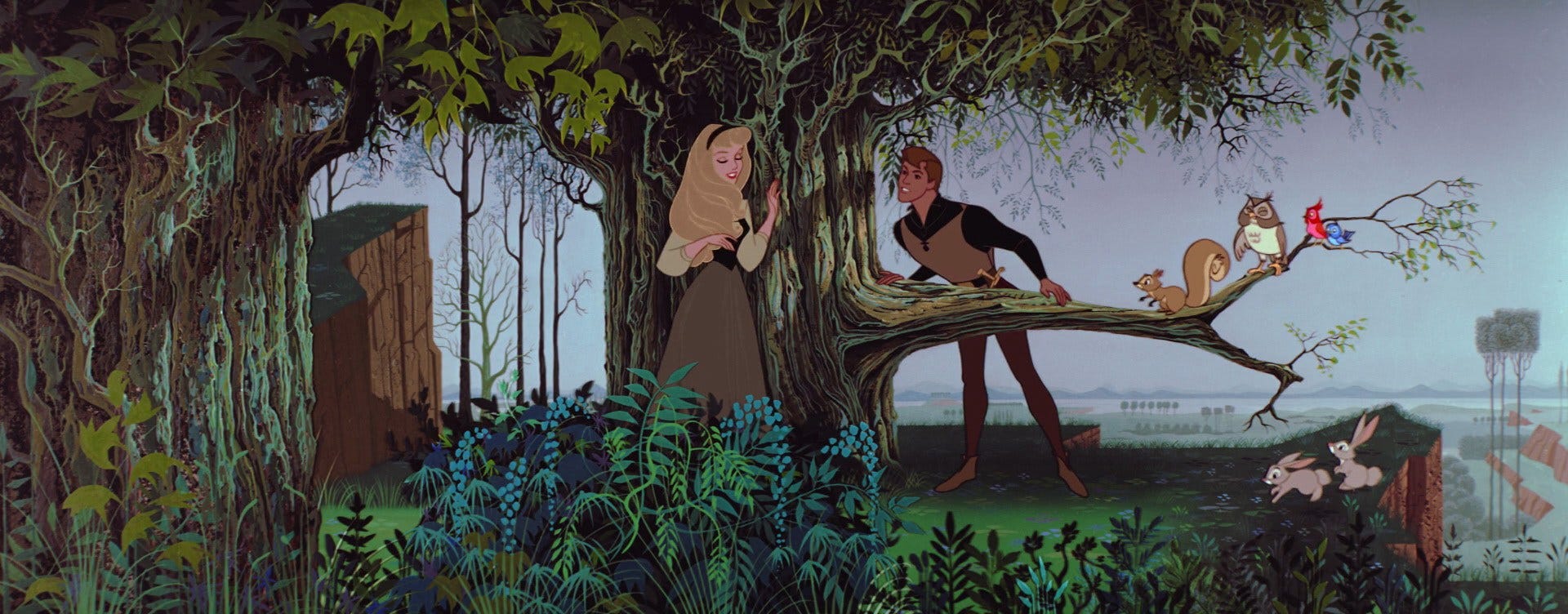
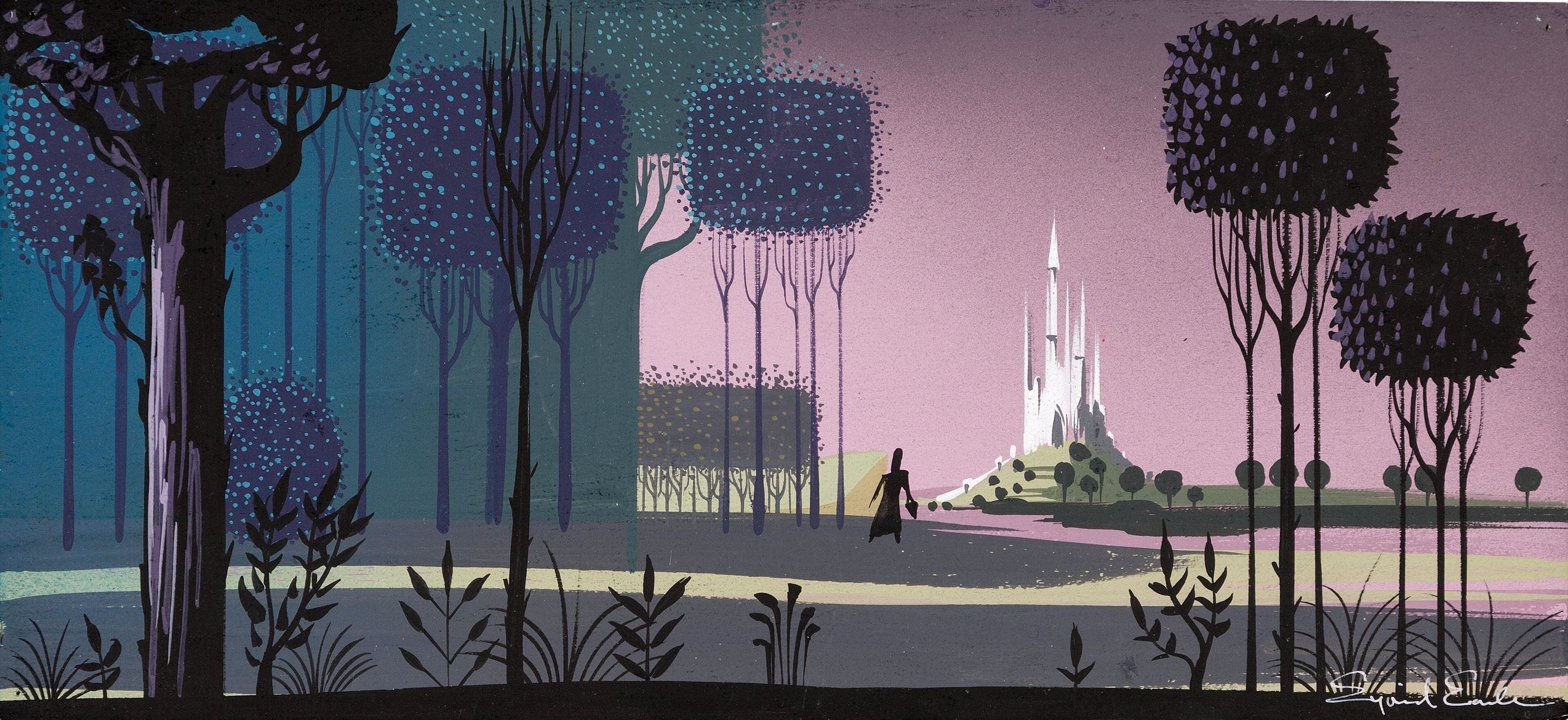
So, in a way, Disney studio artists showed us how magic moves for the first time.
We all know Disney was built on fairy tales. Folklore featuring magic, enchantments, and mythical beings. But it had never been animated before Disney. So, in a way, Disney studio artists showed us how magic moves for the first time. Like fairy dust.
I always hear it first. The sound of chimes or a harp. And then I see it. A glow, a light. Gold dust. Shiny and enchanting. Otherworldly. A recipe for magic. But notice how fairy dust doesn’t need to be gold or shiny or glowing to be interpreted as magical, like we see in this scene below of Sleeping Beauty. I am mesmerized by simple dots! It’s a brilliant technique. A combination of x’s and o’s and crosshatch patterns.
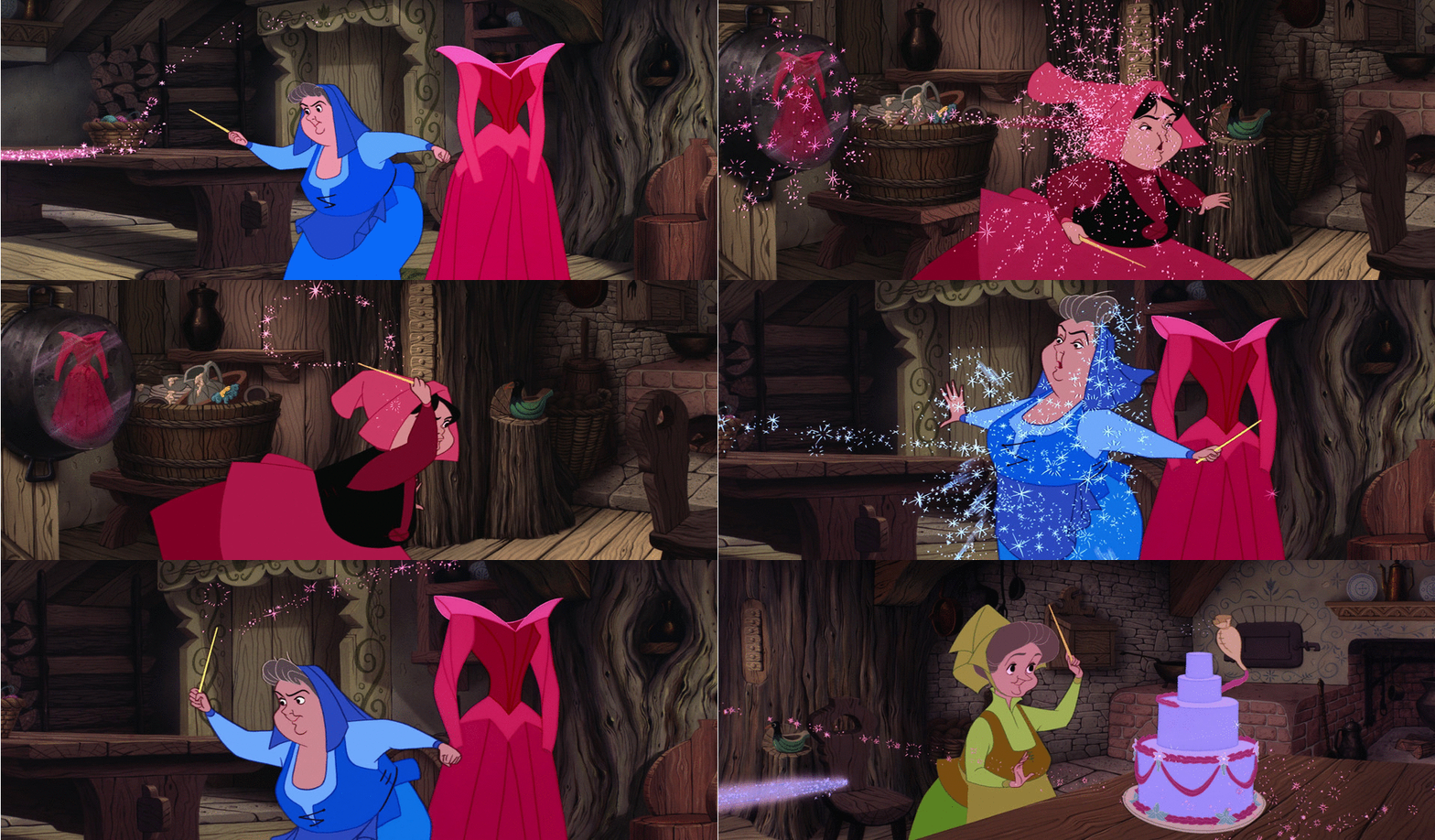
I feel like I am watching graphic symbols developing before my eyes.
This isn’t the first time we see magic dust. We’re officially introduced to it by Tinker Bell in Peter Pan, as a blend of pointillism and x’s. And unofficially in older films like Fantasia and Cinderella.
“All the world is made of faith, and trust, and pixie dust.”
J.M. Barrie, author and creator of Peter Pan
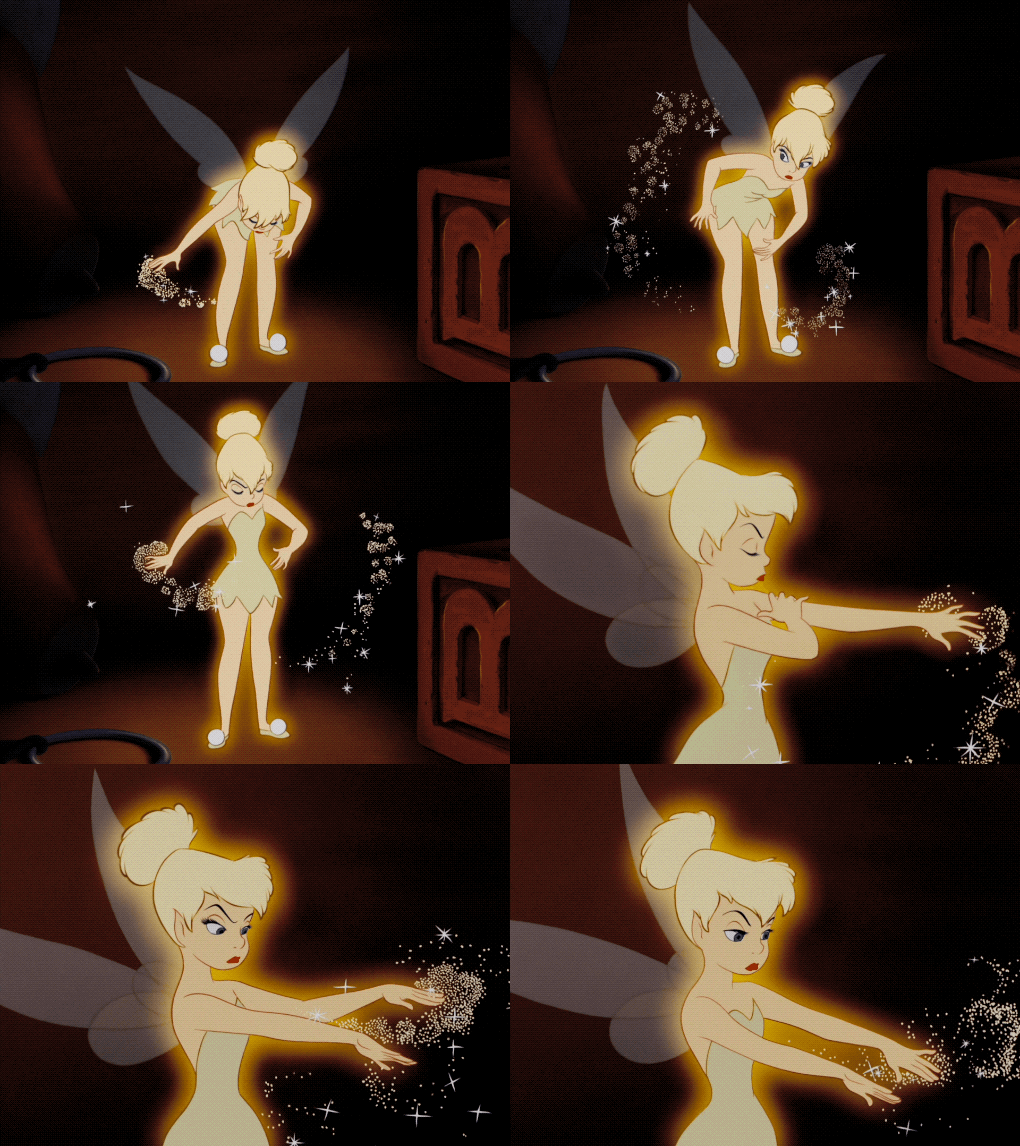
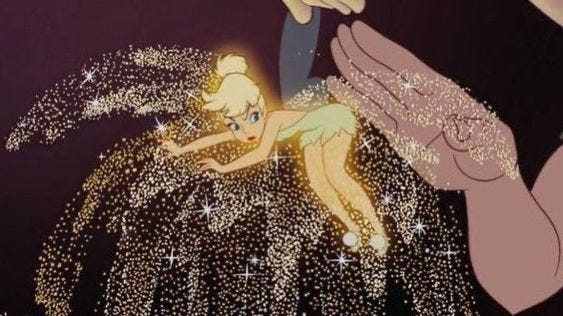
Fairies and humans need fairy dust to fly. Without it, fairies and Disney aren’t magical.
So, where does the idea of fairy dust come from?
I love this piece on the history of fairy dust in literature. It references a few tales of the mid 1800s and early 1900s that mention the use of dust to physically blind others or to alter someone’s perception of the world. The writer then goes on to connect dust and fairies to mushrooms. “One particular fungi tied to fairies is the puffball, a mushroom full of brown dust-like spores that are released when it bursts.”
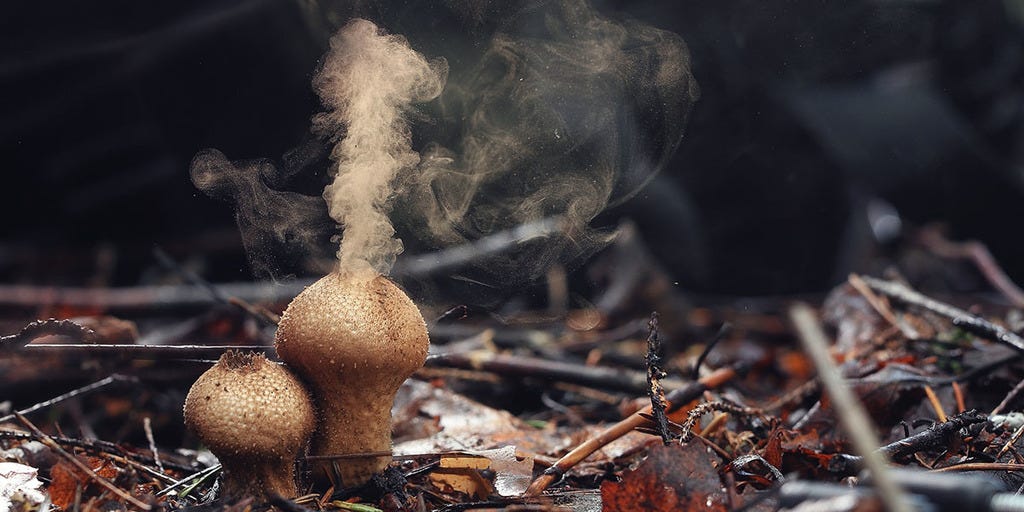
The window was blown open by the breathing of the little stars, and Peter dropped in.
The writer also mentions pollen and dust clouds.
But the key piece to understanding modern pixie dust lies in the story of the Sandman. Like the song goes, 🎶Mr. Sandman, bring me a dream.🎶 The Sandman was a mythical creature in European folklore of the early 1800s that sprinkled sand or dust into children’s eyes to make them dream every night.
The tale began merging with the world of fairies, as a dictionary in 1915 referred to the Sandman as “a household elf”. A few tales later, we get J.M. Barrie’s Peter Pan. And Barrie introduces the modern world to fairy dust:
“The window was blown open by the breathing of the little stars, and Peter dropped in. He had carried Tinker Bell part of the way, and his hand was still messy with the fairy dust.”
Stars to dream, to fly, and escape into imaginative lands and stories.
Walt Disney then introduced the term ‘pixie dust’ into popular culture through his adaptation of Peter Pan, and Tinker Bell instantly became the face of fairy magic.
I’d like to think the visual representation of J.M. Barrie and Walt Disney’s fairy dust was partly inspired by the fairy paintings of the Victorian era, which were tied to the popularity of plays at that time, particularly Shakespeare.
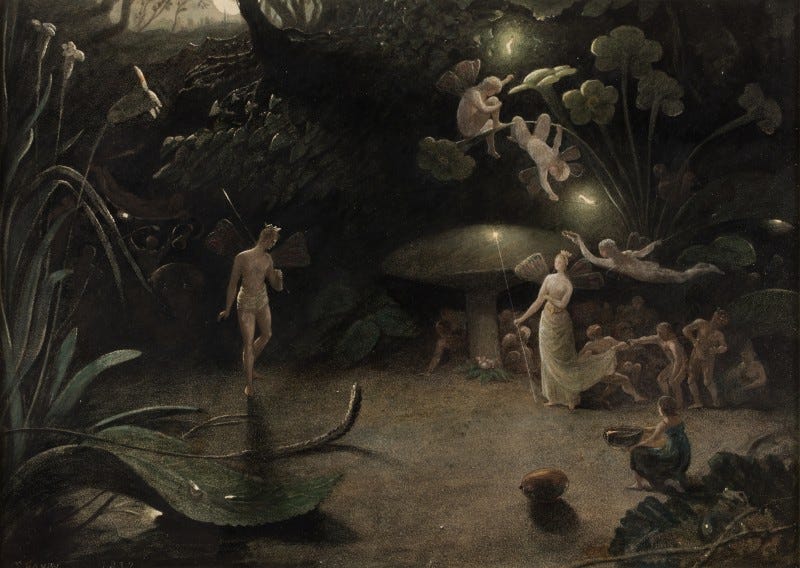
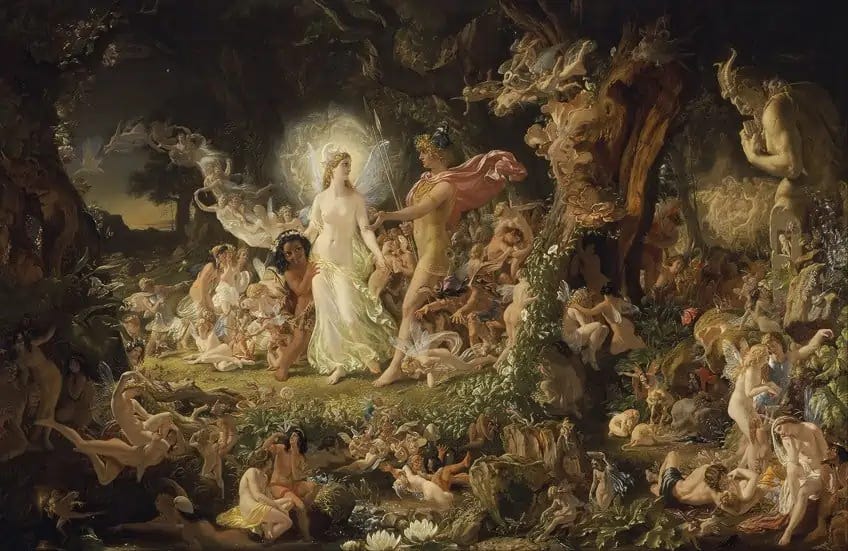
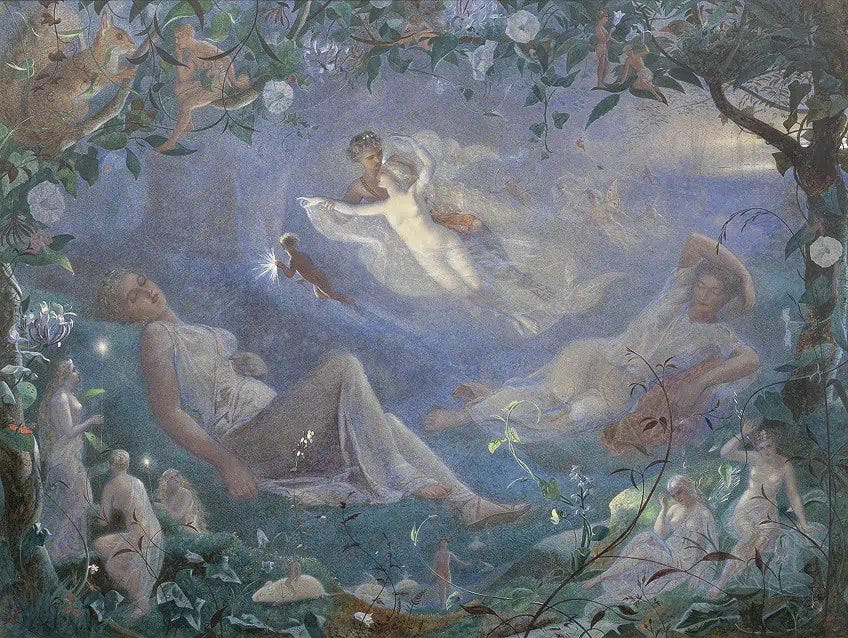
Stars to dream, to fly, and escape into imaginative lands and stories.
Glowing stars. Like heaven on earth.
And thanks to the invention of the airbrush in 1876, magic had a new visual tool. Airbrushing became popular in painting in the 1930s and 40s, an era after World War I when art became more abstract, especially in painting and sculpture, taking on more geometric forms, in part influenced by Cubism.
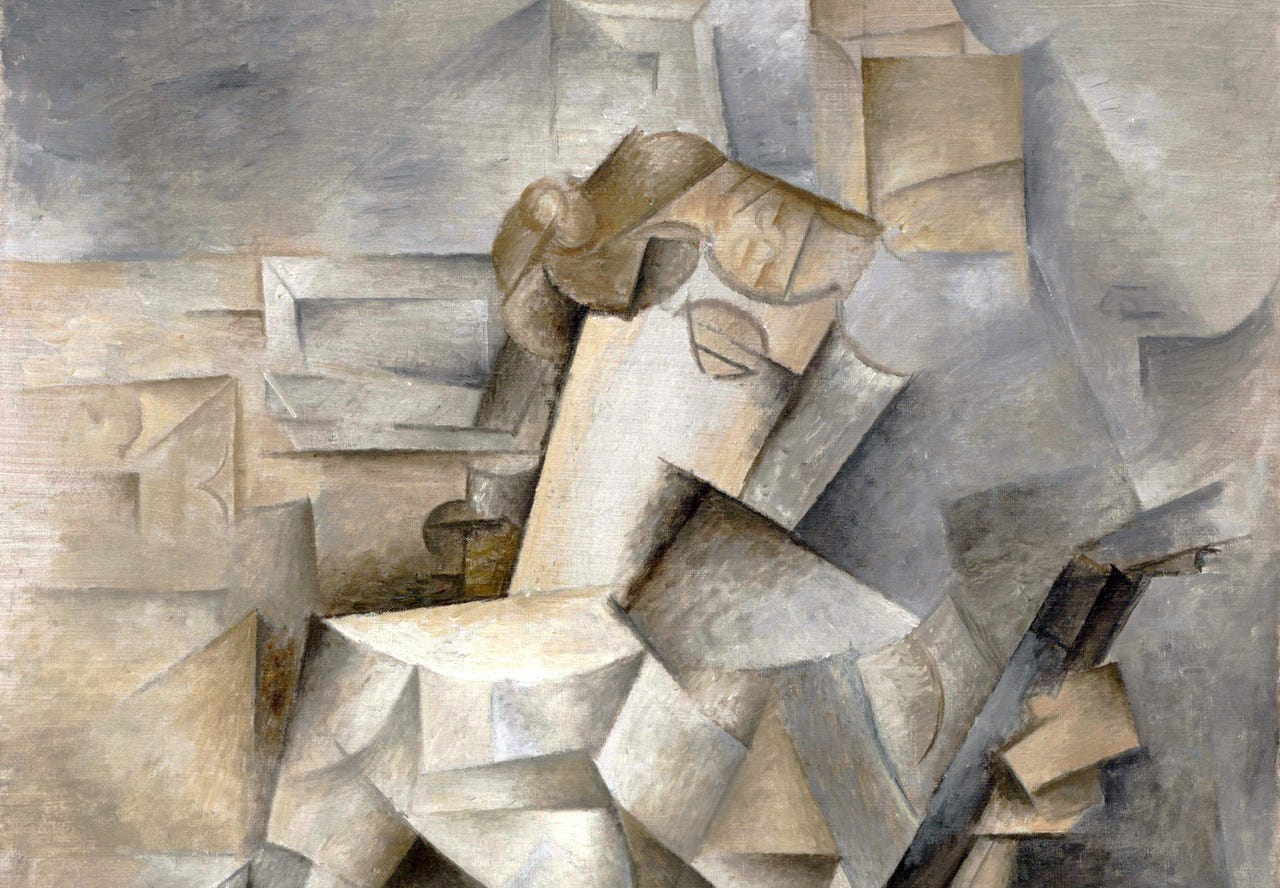
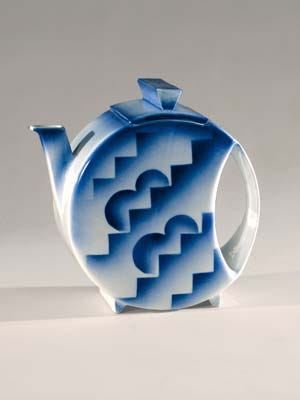
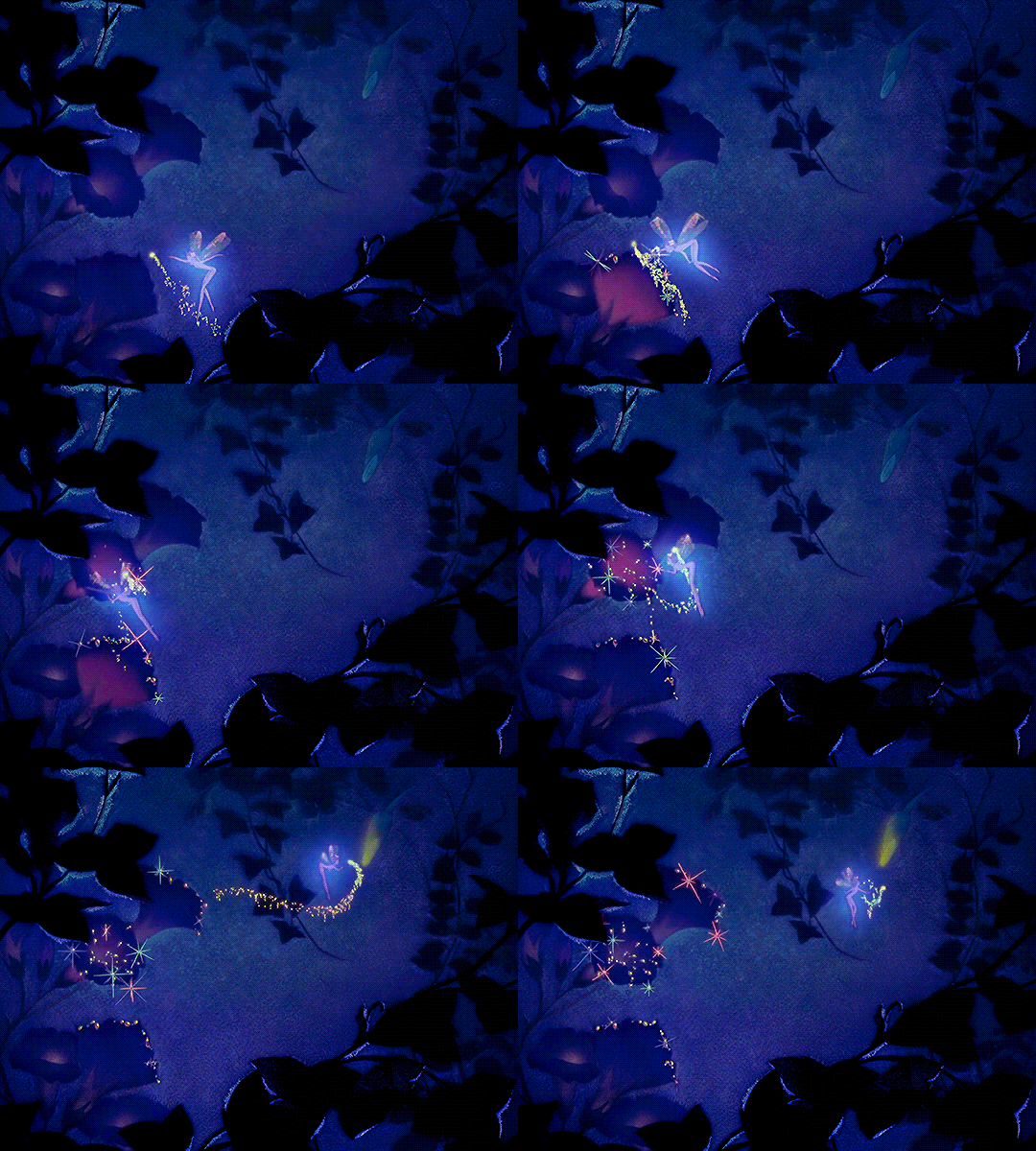
I love that we find these airbrushed shapes in Fantasia as well.
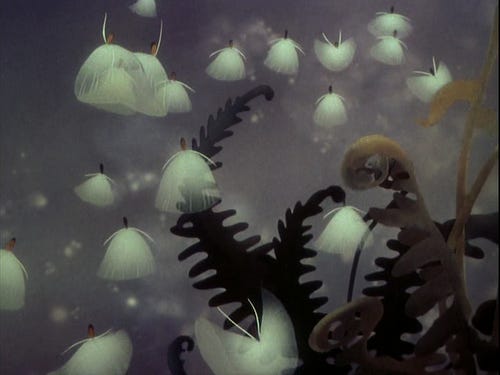
The original concept drawings included airbrushed art such as these flower fairies and they were too delicate and beautiful to replace. I can’t wrap my mind around the fact this film is entirely created and animated by hand, choreographed to Tchaikovsky. What a masterpiece.
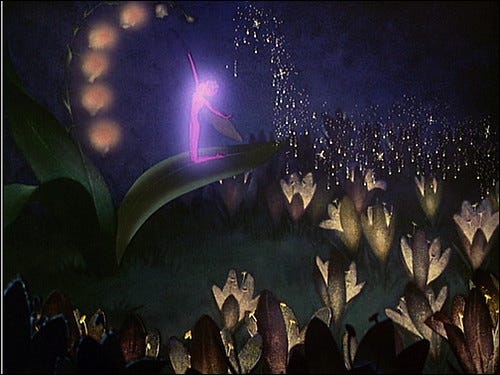
I didn’t think I would be tying magic dust to all this. But I’ve loved the journey and I hope you did, too.
Our draw to light, to what shines didn’t end there. We love shimmer, even (and especially) now.
I see it in fashion, commercial photography, graphic design, beauty; the glow is in demand. Post pandemic, A.I. filters and fears, Beyoncé’s Renaissance Tour, we may be headed for a little extra light and magic. Can we please tap into Victorian fairy art again?
Look for the simple shimmers of light in your every day. And make time to daydream once in a while. 。.。:+* ゚ ゜゚ *+:。.。:+* ゚ ゜